
Tax advisory: Sector-Specific
Tax Advisory: Sector-Specific in the UAE
In the UAE, tax advisory services have become increasingly important as businesses navigate the introduction and implementation of corporate tax (CT), Value Added Tax (VAT), and other regulatory frameworks such as economic substance regulations and transfer pricing rules. Given the diverse nature of industries in the UAE, tax advisory services are often tailored to meet the unique needs of specific sectors. Sector-specific tax advisory helps businesses optimize their tax positions, comply with regulations, and manage sector-specific challenges in the most efficient way.
This sector-specific tax advisory approach is essential because different industries face unique tax challenges, opportunities, and compliance requirements. As a result, businesses in sectors such as real estate, finance, oil & gas, tourism & hospitality, construction, and manufacturing require specialized advice to ensure they align with local tax laws and international best practices.
Key Areas of Sector-Specific Tax Advisory in the UAE
1. Real Estate and Property Sector
The real estate sector in the UAE, including property developers, investors, and construction firms, faces distinct tax considerations. With the introduction of corporate tax in 2023, the tax implications for real estate transactions and investments have become more complex.
Key Areas of Tax Advisory for Real Estate:
- VAT on Property Transactions: Real estate transactions in the UAE can attract VAT, but exemptions apply for certain types of real estate (e.g., residential properties, sales of land, etc.). VAT implications need to be carefully considered for property sales, leases, and management services.
- Real Estate Investment Funds (REITs): Tax advisors assist businesses in structuring Real Estate Investment Trusts (REITs) and ensuring compliance with corporate tax laws.
- Capital Gains and Corporate Tax: Advisory on how to structure property transactions to minimize capital gains tax, especially in light of the new corporate tax regime.
- Free Zone Benefits: Many real estate companies benefit from free zone tax exemptions. Tax advisors help businesses understand how these exemptions apply and ensure proper compliance.
- Depreciation: Advising on tax-efficient methods for depreciating property assets in line with UAE tax laws.
2. Financial Services and Banking Sector
The financial services sector, including banks, insurance companies, investment firms, and private equity businesses, faces unique tax challenges due to the highly regulated environment and the international nature of many transactions.
Key Areas of Tax Advisory for Financial Services:
- Transfer Pricing: Financial institutions with international operations must comply with transfer pricing rules, ensuring that intercompany transactions between branches, subsidiaries, or affiliates are priced at arm’s length.
- Double Tax Treaties (DTTs): UAE-based financial institutions engaged in cross-border activities need to understand and apply the benefits of double tax treaties to avoid double taxation and optimize their tax position.
- Financial Products and VAT: Understanding the VAT treatment of different financial products, such as loans, insurance, and investment products, which are generally exempt from VAT but may have indirect tax implications.
- Taxation of Investment Funds: Financial advisors help with the corporate tax implications of investment funds, ensuring tax-efficient structures and compliance with UAE tax laws.
- Capital Gains: Financial institutions need advice on structuring their transactions, such as M&A deals, to minimize the tax impact of capital gains, especially in the case of international transactions.
3. Oil, Gas, and Energy Sector
The oil, gas, and energy sector is one of the largest industries in the UAE, and it has long been subject to specific tax rules. As the UAE implements corporate tax, businesses in this sector must adjust to ensure compliance and optimize tax outcomes.
Key Areas of Tax Advisory for Oil & Gas:
- Exemptions and Special Treatment: The UAE has specific tax exemptions or reduced tax rates for oil & gas companies, especially those operating under Production Sharing Agreements (PSAs) or in special economic zones. Tax advisors help businesses structure deals to take advantage of these exemptions.
- Taxation of Oil Revenues: Companies in the oil and gas sector often benefit from reduced tax rates or exemptions based on the location of operations (e.g., offshore vs. onshore). Advisors help navigate these rules.
- Transfer Pricing for Multinationals: International oil and gas companies must adhere to transfer pricing rules, ensuring that transactions between subsidiaries in different jurisdictions comply with local laws and OECD guidelines.
- VAT on Energy Transactions: VAT treatment of energy transactions, including the supply of fuel, electricity, and gas, is another area where tax advisory services are essential. Energy products may be VAT-exempt or subject to reduced rates.
4. Construction and Infrastructure Sector
The construction and infrastructure sector in the UAE, driven by ongoing mega projects, has specific tax challenges related to both VAT and corporate tax.
Key Areas of Tax Advisory for Construction:
- VAT on Construction Projects: The VAT treatment of construction contracts, including contractor and subcontractor services, needs to be carefully considered. VAT is generally applicable to construction services, but certain types of contracts may be exempt.
- Real Estate Development: Real estate development, including residential and commercial projects, has specific tax implications. This includes VAT on construction services, capital gains taxes on the sale of developed properties, and tax incentives available to developers in certain free zones.
- Corporate Tax on Construction Projects: With the introduction of corporate tax, construction companies must be prepared for taxation on profits from completed projects. This includes understanding how costs such as raw materials, labor, and overhead can be deducted.
- Financing and Tax Structures: Many large construction projects are financed via joint ventures or partnerships. Tax advisors help structure these deals in a tax-efficient way to minimize liabilities, particularly in light of corporate tax rules.
5. Tourism and Hospitality Sector
The tourism and hospitality industry, which includes hotels, resorts, travel agencies, and entertainment businesses, has its own set of tax-related considerations, particularly regarding VAT and corporate tax.
Key Areas of Tax Advisory for Tourism & Hospitality:
- VAT on Services: The tourism sector is subject to VAT on a range of services, including hotel accommodation, restaurant services, and event management. Advisors help businesses navigate the VAT compliance requirements for these services.
- VAT Exemptions: Certain services provided by hotels (e.g., accommodation services for long-term stays) may be exempt from VAT. Tax advisors help ensure that businesses benefit from these exemptions and avoid overpaying VAT.
- Corporate Tax on Profits: The introduction of corporate tax affects businesses in the tourism sector, and tax advisors assist with the structuring of operations to minimize corporate tax liabilities.
- Incentives for Tourism Projects: Advisors assist businesses in the hospitality sector with understanding and applying for any available tax incentives or subsidies, especially for projects that are part of the UAE’s broader tourism development strategy.
- Cross-Border Tax Issues: For international tourism operators and hotel chains, advisors help optimize the tax treatment of cross-border transactions, such as foreign income from international hotel chains or tourists from abroad.
6. Retail and FMCG (Fast-Moving Consumer Goods)
The retail and FMCG sectors in the UAE are subject to VAT and corporate tax, with specific rules regarding the treatment of goods, services, and supply chains.
Key Areas of Tax Advisory for Retail & FMCG:
- VAT on Sales and Imports: Retailers and FMCG companies must manage VAT on the sale of goods and services, including cross-border imports. Tax advisors help businesses ensure they are charging VAT correctly and claiming VAT refunds on input costs.
- Transfer Pricing for International Retailers: Multinational retailers need to comply with transfer pricing rules when importing goods from affiliates and subsidiaries in other jurisdictions.
- Corporate Tax on Profits: Advisors help retail businesses optimize their corporate tax position, advising on tax-efficient structures for supply chains, pricing strategies, and business expansion.
- E-commerce VAT: As e-commerce grows, businesses in the retail sector must manage VAT on digital sales. Tax advisors help ensure compliance with UAE’s VAT rules on online transactions, especially for international sales.
7. Healthcare and Pharmaceutical Sector
The healthcare and pharmaceutical sectors in the UAE face specific tax challenges related to VAT, corporate tax, and healthcare incentives.
Key Areas of Tax Advisory for Healthcare:
- VAT on Medical Services and Products: While many medical services are exempt from VAT, medical products, pharmaceuticals, and certain health-related services may be subject to VAT. Tax advisors help navigate these complex rules.
- Healthcare Investment Incentives: Certain healthcare-related businesses may qualify for tax exemptions or incentives, particularly in free zones or special healthcare zones. Advisors assist in structuring investments to leverage these benefits.
- Corporate Tax Implications: Healthcare businesses, including hospitals, clinics, and pharmaceutical companies, need to plan for the corporate tax implications of their profits. Tax advisors help with structuring operations and ensuring compliance with corporate tax laws.
Quick Links
Have any Questions? Call us Today!
+971 50 9786500
Seen On


Quick Contact

Join Courses
Join Online Corporate Tax Majlis Every Friday from 3 PM to 4 PM

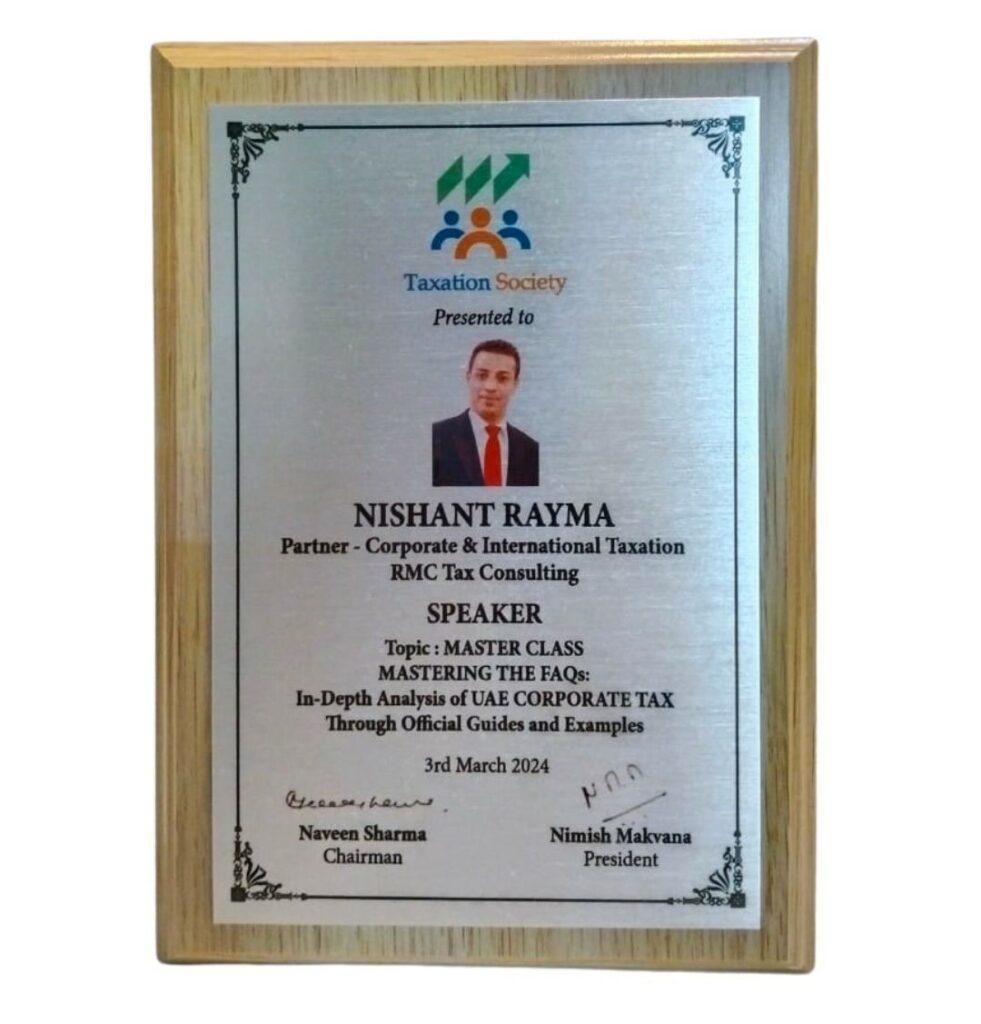
Awards & Recognition




Seen on...